1. Understanding the Appeal of Play Kitchens
Play kitchens have become a staple in many households, serving not just as a source of entertainment but also as a valuable tool for child development. These miniature versions of real kitchens allow children to engage in imaginative play, mimicking the activities they observe in their own homes. With various designs, functionalities, and accessories available, the play kitchen market has expanded significantly, catering to a wide range of interests and preferences. When exploring options, play kitchen sets can provide comprehensive insights into what may best suit your child's needs.
What is a Play Kitchen?
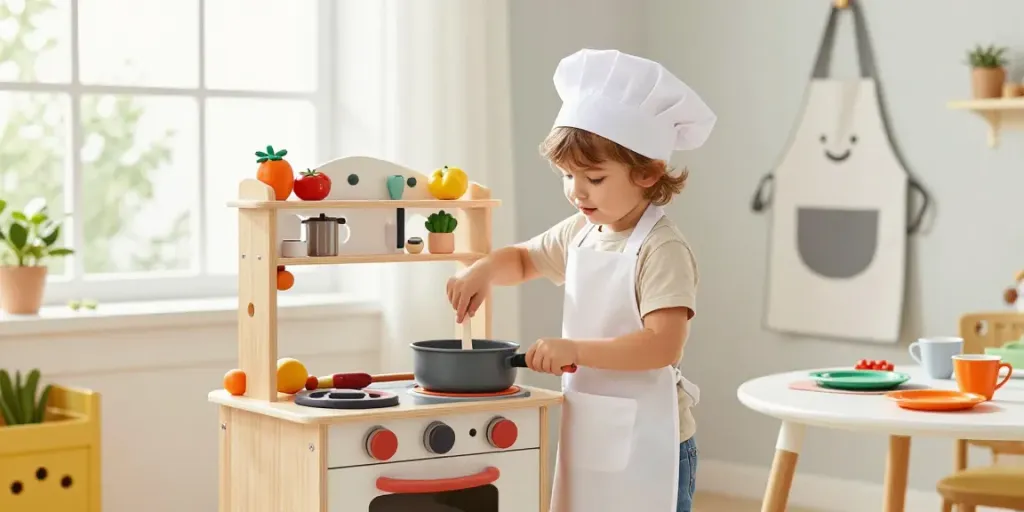
A play kitchen is a toy designed to simulate a real kitchen environment, allowing children to engage in role-playing scenarios. Typically, these units come equipped with various features such as stovetops, ovens, sinks, and refrigerators, often designed to resemble their real counterparts. The allure of play kitchens lies in their ability to foster creativity and encourage social interaction, as children often play together, sharing roles and responsibilities in their make-believe culinary adventures.
Benefits of Role Play in Child Development
Engaging in role play, such as that encouraged by play kitchens, offers numerous developmental benefits for children. Here are some key advantages:
- Cognitive Development: Role play enhances critical thinking and problem-solving skills as children navigate various kitchen scenarios.
- Language Skills: Pretend cooking often involves dialogues and interactions with peers, aiding in vocabulary expansion and language proficiency.
- Social Skills: Group play fosters cooperation, sharing, and negotiation among children as they work together to create meals.
- Emotional Intelligence: Role play allows children to express and manage emotions by adopting different characters and scenarios.
Popular Features in Modern Play Kitchens
Today’s play kitchens are designed with a variety of features to enhance the play experience. Many come with realistic sounds and lights, interactive elements such as buttons and working knobs, and even play food items to engage kids fully. Additionally, the materials used have evolved, with many parents favouring eco-friendly and non-toxic options. This focus on quality ensures that both play and safety are prioritised in the toy selection process.
2. Choosing the Right Play Kitchen for Your Child
Selecting the perfect play kitchen requires careful consideration of various factors to ensure that it aligns with your child's age, interests, and available space. Understanding these aspects will help you make an informed purchase that maximises the potential for imaginative play.
Factors to Consider: Age and Space
When choosing a play kitchen, the age of your child is a crucial factor. Most play kitchens cater to toddlers and preschoolers aged 2 to 6 years, with features designed for little hands. Additionally, assess the available space in your home; larger kitchens may require more room to fully enjoy, while compact models can fit into smaller areas.
Material Differences: Wood vs. Plastic
Another important consideration is the material of the play kitchen. Wooden kitchens are often praised for their durability and aesthetic appeal, while plastic kitchens may offer more interactive features and affordability. Ultimately, the choice depends on your budget and preferences, but both materials can provide significant play value.
Safety Standards and Compliance
Safety is paramount when selecting children’s toys. Ensure that the play kitchen meets current safety standards and regulations to prevent any potential hazards. Look for certifications that indicate compliance with safety requirements, ensuring that the materials used are non-toxic and free from harmful chemicals.
3. Enhancing Playtime with Accessories
To enrich the play kitchen experience, incorporating accessories can transform a basic setup into a fully immersive environment. Accessories not only enhance creativity but also introduce educational aspects to playtime.
Essential Accessories for a Complete Experience
Consider adding items such as play food sets, cooking utensils, and even pretend cooking appliances like microwaves or mixers. These accessories allow children to further engage in their culinary adventures, promoting imaginative storytelling and role play.
Creative Ways to Extend Play with DIY Projects
Enhancing playtime doesn't always require store-bought items. DIY projects can help to build additional accessories or even furniture pieces that complement the kitchen. For instance, creating homemade food items from felt or cardboard can be a fun, engaging activity for both parents and children.
Incorporating Real Cooking Tools for Educational Play
For older children, integrating real cooking tools (under supervision) can bridge the gap between pretend play and actual cooking experiences. Simple tools such as measuring cups or plastic cookware can teach children about real-life cooking processes, fostering a genuine interest in culinary skills.
4. Future Trends in Play Kitchen Design
As we move towards 2026, emerging trends in play kitchen design reflect broader societal changes, especially in emphasis on sustainability and technology integration.
Eco-Friendly Materials and Sustainability
With growing environmental awareness, many manufacturers are shifting towards using sustainable materials in play kitchen production. Look for options made from responsibly sourced wood or recycled plastics, appealing to eco-conscious parents.
Integration of Technology in Play Kitchens
The future of play kitchens may involve more technology, with features such as touch-sensitive surfaces that replicate real cooking interactions or apps that offer guided cooking experiences. This integration can enhance both play value and educational opportunities.
Design Trends Influencing 2026 Kitchens
Expect to see a rise in modular designs that adapt to different spaces and home aesthetics. Play kitchens that can grow with the child or adapt to their play preferences will likely become increasingly popular, allowing for longevity in use and enjoyment.
5. Frequently Asked Questions About Play Kitchens
What age should a child start using a play kitchen?
Children as young as 2 years old can start using play kitchens. They are designed to cater to the developmental needs of toddlers and preschoolers, making them ideal for imaginative play starting at an early age.
How much should I expect to spend on a play kitchen?
The price of play kitchens varies widely, ranging from budget-friendly options around £50 to high-end models that can cost upwards of £300. Factors influencing price include materials, size, and features.
Are play kitchens worth the investment?
Investing in a play kitchen can be worthwhile, considering the developmental benefits they offer. The skills gained through role play, such as problem-solving, social interaction, and creativity, provide significant long-term advantages as children grow.